

A mint mark is a small letter that shows which U.S. Mint made the coin. On modern coins you’ll see P for Philadelphia, D for Denver, S for San Francisco and W for West Point.
Two coins with the same year but different mint marks count as different coins to a collector. That’s why most sets are built by year and mint mark.
The four marks
P, Philadelphia. For most of its history Philadelphia used no mint mark. The P showed up on wartime nickels from 1942 to 1945, then came into regular use around 1980 on most coins. The cent is the long-running exception.
D, Denver. Makes coins for circulation along with Philadelphia. Most sets need both.
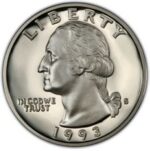
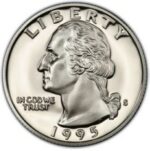
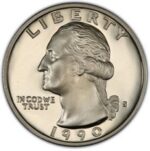
S, San Francisco. Makes most U.S. proof coins since 1968. A modern proof coin almost always has an S.
W, West Point. Mostly bullion and special coins. West Point quarters went into circulation in small numbers in 2019 and 2020.
S mint proof coins in stock
Where to look
On most modern coins the mint mark is on the front, near the date. Older coins often have it on the back. If a modern coin has no mint mark, it’s usually from Philadelphia.
Why collectors care
Each mint makes a different number of each coin. One mint may make far fewer than the other, and that’s what makes one coin common and the other worth hunting for.
Looking for a certain year and mint mark?
Most of our coin listings let you pick the mint mark: P, D or S proof.
Frequently asked questions
What does the P mint mark mean?
The coin was made at the Philadelphia Mint.
Why do some U.S. coins have no mint mark?
Philadelphia made coins without a mint mark for most of its history. A modern coin with no mint mark is usually from Philadelphia.
What does the S mint mark mean?
San Francisco. Since 1968, San Francisco has made most U.S. proof coins.
Where is the mint mark on a coin?
On most modern U.S. coins it is on the front, near the date. The spot changes by series.