


Both are proof coins with mirror fields and frosted designs. The difference is the metal. A clad proof dime, quarter or half dollar is copper-nickel over a copper core, the same as the coins in your pocket. A silver proof set swaps those three coins for silver versions.
The cent and nickel are the same in both sets.
What’s in each set
- Cent and nickel: the same in both sets
- Dime, quarter and half dollar: copper-nickel clad in the clad set, silver in the silver set
- Dollar coins: vary by year
Clad proofs
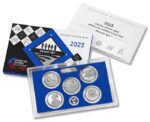
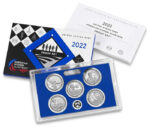
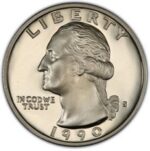
Silver proofs
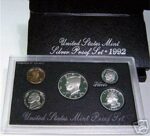
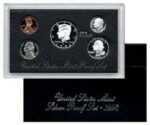
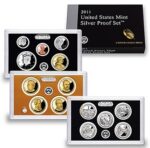
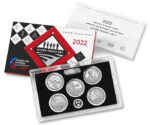
Two dates to know
1992: the Mint began selling Silver Proof Sets every year, next to the regular clad sets.
2019: the silver changed from 90% silver to 99.9% fine silver.
That second date surprises people. If you build a run of silver proof sets by year, sets before 2019 and sets from 2019 on are different metals.
How to tell them apart
The Mint packaging tells you which set you have. On the coins, look at the edge: a clad quarter shows a copper stripe where the layers meet. A silver quarter’s edge is solid all the way through.
Which should you collect?
Clad proof sets cost less. They’re what most people mean by “proof set.”
Silver proof sets cost more, contain real silver, and are usually made in smaller numbers.
Many collectors build both.
Missing one year or one coin?
Buy the full set, or just the single proof coin you need, taken from the set.
Shop all mint and proof sets →
Frequently asked questions
When did the U.S. Mint start making silver proof sets every year?
In 1992, sold each year next to the regular clad proof sets.
How much silver is in a modern silver proof coin?
Sets from 1992 through 2018 use 90% silver. From 2019 the Mint moved to 99.9% fine silver.
Which coins in a silver proof set are silver?
The dime, quarter and half dollar. The cent and nickel are the same in both sets.
Are silver proof sets worth more than clad proof sets?
Usually, because of the silver and the smaller number made. The exact year matters.